Property valuation brings together several types of information. There is the physical property itself, its location, surrounding development, available documentation and the market context in which the property is being assessed.
Start with identification
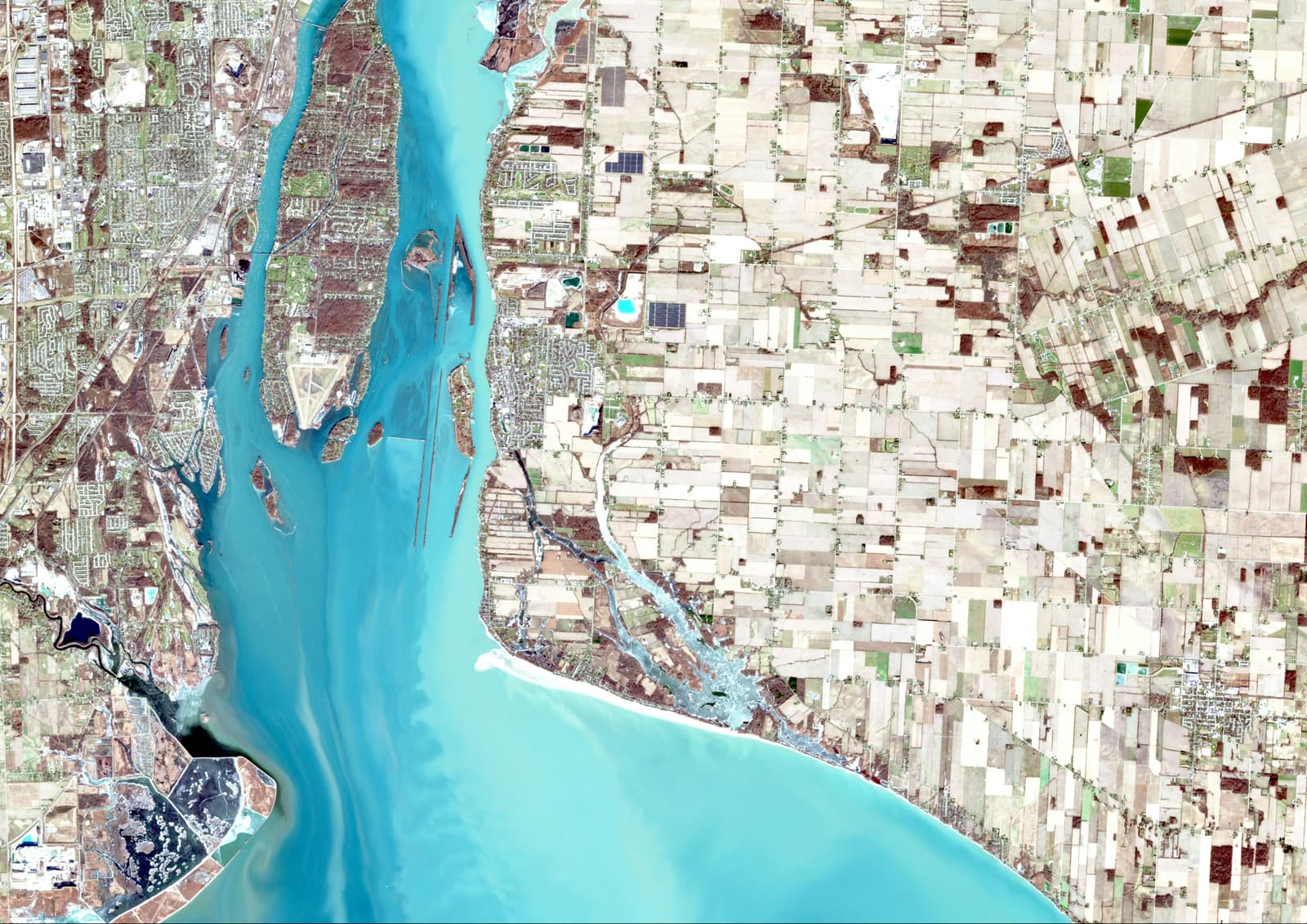
Before assessing a property, it is important to establish that the property being inspected corresponds with the available information. GIS and digital mapping tools can help with location-based identification and preparation.
Look beyond the building
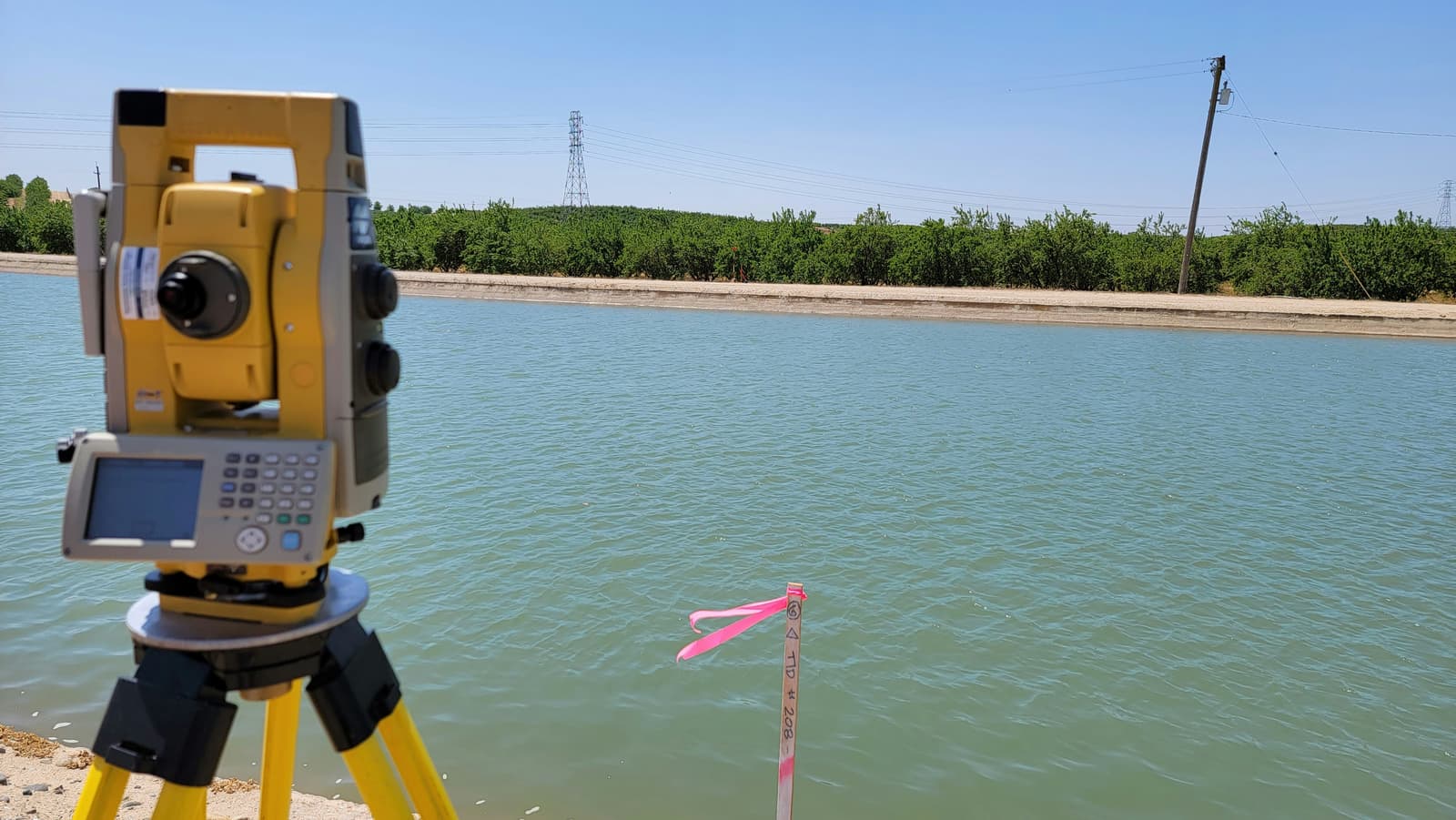
A physical inspection is not limited to the visible condition of a structure. Surrounding access, neighbouring development, boundaries, land characteristics and other site conditions can all contribute to the technical assessment.
Documents and field conditions should agree
One of the important parts of technical due diligence is comparing available documentation with what can actually be observed. Differences need to be identified and considered rather than ignored.
Technology supports judgement
GIS can make location and spatial information easier to understand, while spreadsheets and structured reporting help organise the assessment. But the final technical judgement still depends on careful inspection and interpretation.
This combination of spatial information, field observation and technical reporting is an important part of my current professional work.
Enjoyed this one?